

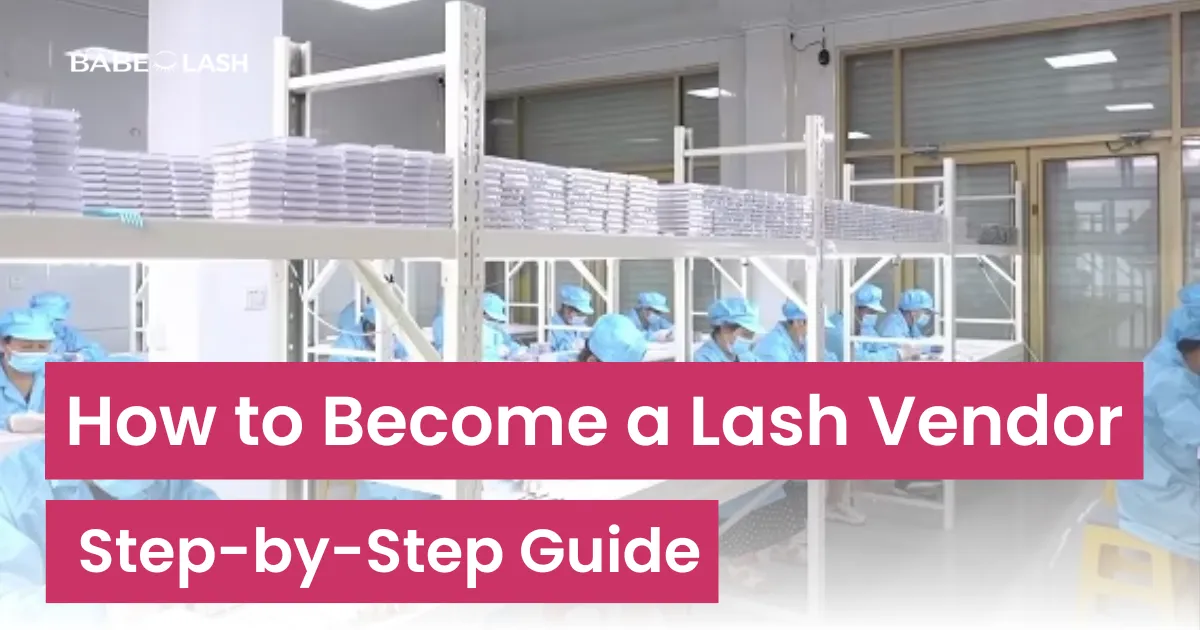
The lash industry is booming and the barrier to entry is lower than most people think. If you have been wondering how to become a lash vendor, the short answer is: research your niche, lock in a reliable manufacturer, build a recognizable brand, and get your business legal before you take your first order.
Whether you want to sell wholesale to lash techs or directly to customers, the process is straightforward if you follow the right steps. Here’s a practical, beginner-friendly guide on how to become a lash vendor in 2026.
Key Takeaways
- Becoming a lash vendor requires research, reliable suppliers, strong branding, and proper legal setup.
- You can start small with low MOQ suppliers and grow from there.
- Custom packaging is one of the smartest ways to stand out and charge higher prices.
- Most successful lash vendors sell both lashes and essential supplies (glues, tweezers, aftercare).
- Expect to spend time on marketing, especially on Instagram and TikTok.
- It’s possible to launch with a relatively small investment if you plan carefully.
Step 1: Research Your Niche and Know Your Market
Before you spend a dollar, spend time understanding the landscape.
The lash market is not one-size-fits-all. There are distinct customer segments with very different needs:
- Lash artists and salon owners who buy in bulk and care about consistency, curl type, and adhesive performance
- Retail consumers who shop by style, price point, and brand aesthetic
- Beauty resellers who bundle lash products into kits or subscription boxes
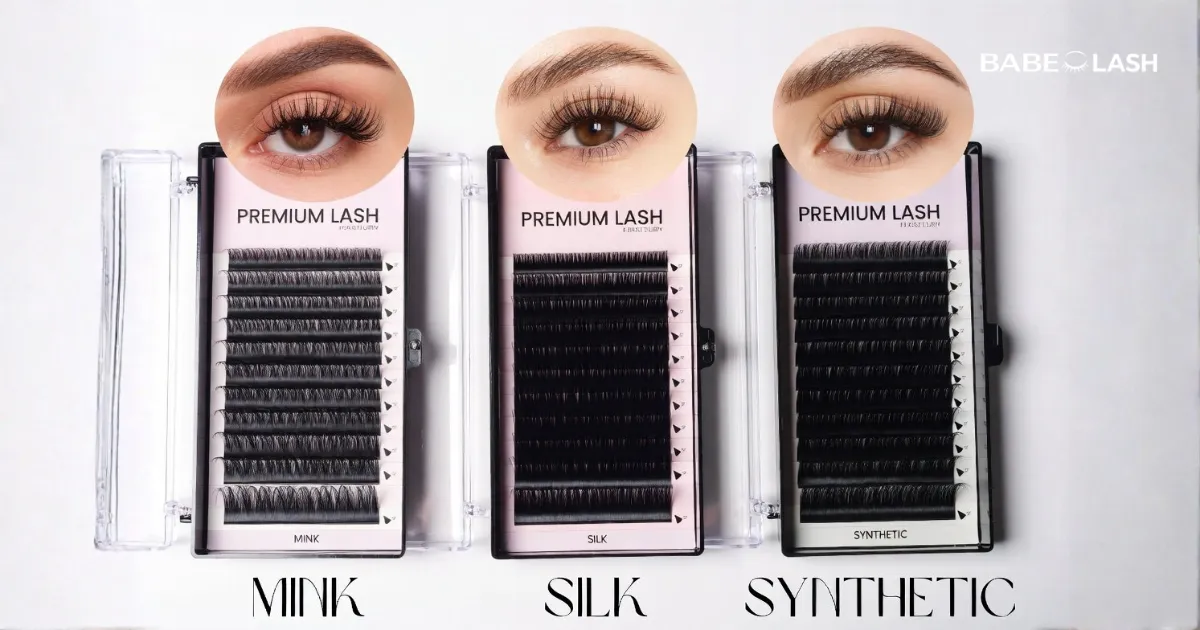
Your niche shapes everything: the products you carry, the price you charge, and where you sell. The three most common lash categories are:
| Lash Type | Best For | Price Point |
|---|---|---|
| Mink | Premium retail, gifting | High |
| Silk | Professional studios | Mid-to-high |
| Synthetic / Faux Mink | Volume sales, budget buyers | Low-to-mid |
Research your top competitors. Look at their product range, packaging, social media presence, and customer reviews. Find the gap they are missing that is your opening.
At Babe Eyelash, we specialize in high-quality 3D & 5D faux mink lashes with competitive factory pricing.
Step 2: Find Reliable Lash Suppliers
Your supplier is the backbone of your business. One bad batch can cost you customers and refunds.
The most common sourcing routes for new lash vendors:
Alibaba and Global Sources are the go-to platforms for connecting with overseas manufacturers. You can compare pricing, minimum order quantities (MOQ), and request custom packaging directly through the platform. Always check supplier ratings, years of operation, and verified status before reaching out.
Pro Tip: If you want factory-direct quality with low MOQ and excellent custom packaging support, you can contact Babe Eyelash directly. We work with many new lash vendors in the US and Europe.
Trade shows like Cosmoprof, ISSE, or beauty industry expos give you the chance to see products in person, negotiate face-to-face, and build relationships with reps who can offer better long-term terms.
Key steps before placing a bulk order:
- Request samples from at least 3 suppliers
- Test the lash band flexibility and curl retention
- Check adhesive compatibility if you plan to sell extension lashes
- Confirm turnaround time for reorders
- Negotiate MOQ before you scale
Pro Tip: Never skip samples. A lash that photographs well can still shed, lose curl, or have an uncomfortable band. Test everything before committing to inventory.
Step 3: Build Your Lash Brand
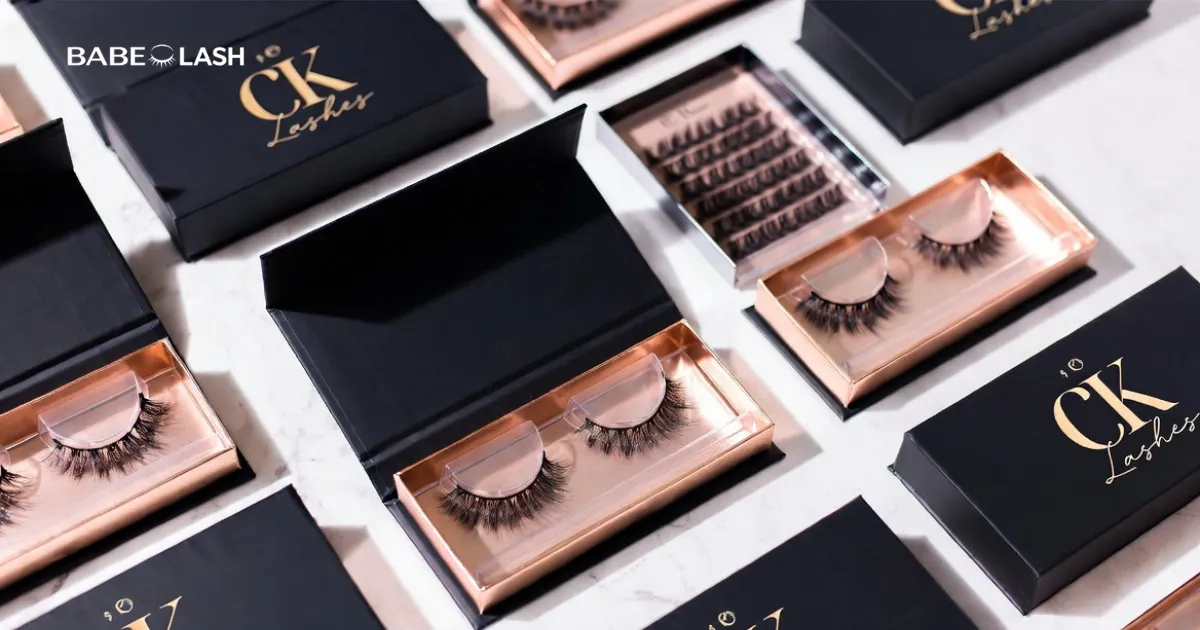
Products alone do not build a business. Branding does.
Your brand is the reason a customer chooses your lashes over the hundreds of other options online. Before you launch, develop these core brand elements:
Brand Name and Logo
Choose a name that is easy to spell, memorable, and available as a domain and social media handle. Your logo should look clean at small sizes since it will appear on lash boxes, stickers, and your website header.
Packaging Strategy
This is where most new vendors underinvest. Custom packaging with your logo allows you to sell at a significantly higher markup than unbranded product. Customers perceive higher value when the unboxing experience feels intentional.
Standard packaging options to consider:
- Magnetic closure lash boxes (premium feel)
- Printed lash trays with logo
- Branded tissue paper and thank-you cards
- Custom holographic or matte finish options
Brand Positioning
Define your point of difference clearly. Are you:
- Eco-friendly using sustainable or vegan materials?
- Premium with celebrity-inspired styles?
- Budget-conscious offering salon-quality at accessible prices?
Your positioning determines your pricing, your content tone, and which customers will feel like your brand was made for them.
Step 4: Legalize Your Business
Don’t skip this part. Register your business as an LLC or sole proprietorship, get the necessary business licenses and permits in your state, and apply for an EIN (Employer Identification Number).
Setting up legally protects you and makes it easier to open a business bank account and pay taxes properly.
Step 5: Launch Your Online Store
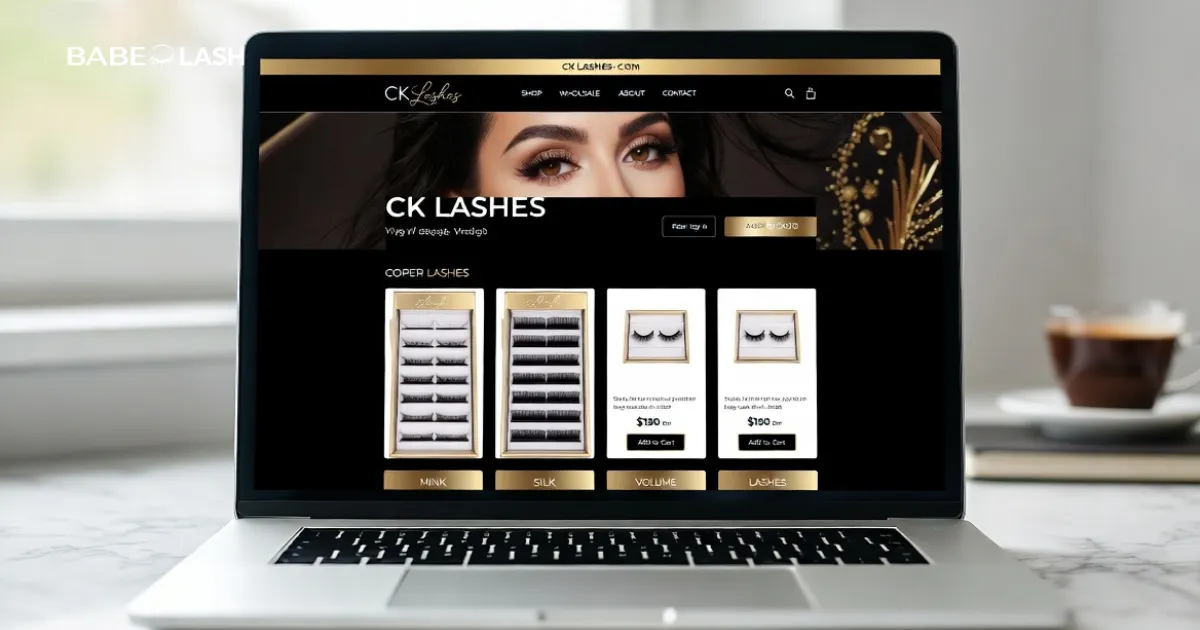
Your online store is your 24/7 salesperson. It needs to convert browsers into buyers without you being present.
Shopify is the most widely recommended platform for lash vendors because of its clean templates, built-in payment processing, and easy inventory management. Other solid options include WooCommerce (for WordPress users) and BigCommerce.
What Every Lash Store Page Needs
Product photography matters more than anything else. Invest in clean, well-lit product shots on white backgrounds plus lifestyle shots showing lashes on models. Customers cannot feel or try on your lashes before buying your images have to do that work.
Each product listing should include:
- Lash style name and number (e.g., Style 25C, 14mm D curl)
- Material (faux mink, silk, mink)
- Band type (clear or black, thin or thick)
- Number of uses when cared for properly
- Application instructions or a link to a tutorial
Shipping policy, return policy, and an FAQ page reduce customer service messages and build trust before the first purchase.
Step 6: Market Your Lash Brand on Social Media
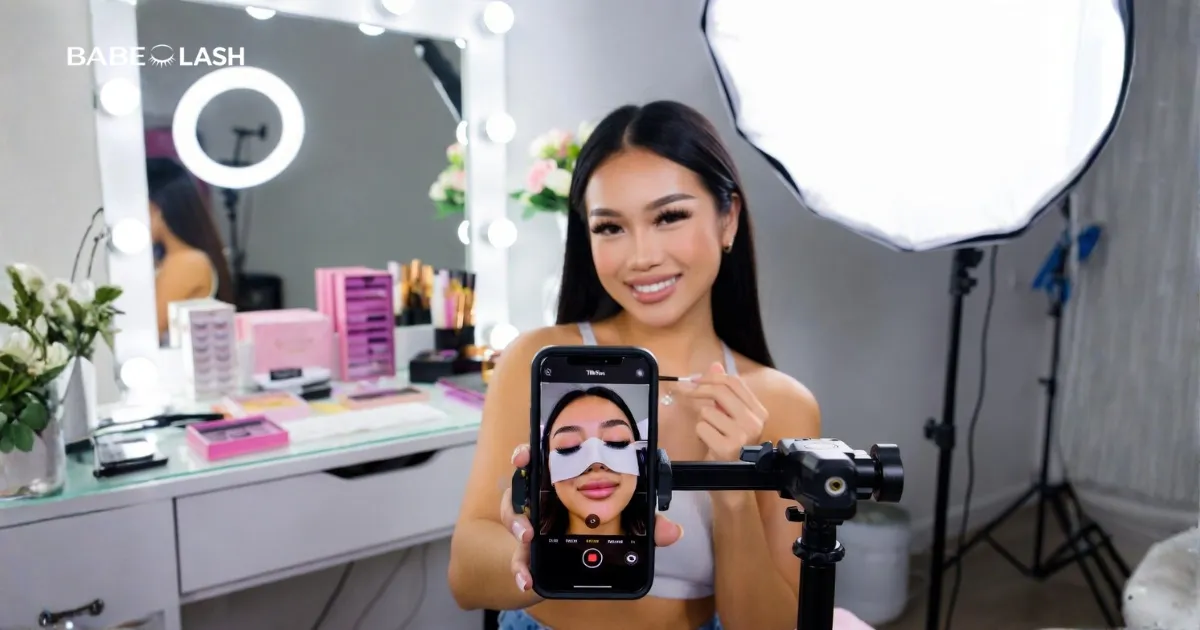
The lash industry lives on Instagram and TikTok. These platforms are where trends start, where customers discover new brands, and where you build the kind of trust that turns a first-time buyer into a repeat customer.
TikTok and Instagram Strategy
Content that works for lash vendors:
- Before and after transformations
- Application tutorials using your lashes
- Behind-the-scenes of your packaging process
- “Pack an order with me” videos
- Unboxing content from real customers
Post consistently. Aim for at least 4-5 times per week when you are building your audience. Engagement matters more than follower count in the early stages.
Working with Influencers and Lash Artists
Reach out to micro-influencers (5,000 to 50,000 followers) in the beauty space for product collaborations. Lash artists with engaged audiences can drive more targeted sales than a celebrity post that reaches a broader but less relevant audience.
Offer commission-based partnerships or free product in exchange for honest reviews and tagged posts. Track which partnerships actually drive traffic and sales using UTM links or discount codes.
Step 7: Manage Your Finances from Day One
Most lash businesses fail not because of bad products, but because of poor financial management.
Open a separate business bank account before you take your first sale. Mixing personal and business finances makes tax time complicated and can disqualify you from certain business protections.
Track every expense and every sale. Use accounting software like QuickBooks, Wave, or even a well-organized spreadsheet to monitor:
- Cost of goods sold (COGS) per unit
- Packaging and shipping costs
- Platform and payment processing fees
- Marketing spend
- Net profit per order
Calculate your profit margins before you set prices. A useful formula:
Profit Margin = (Selling Price – Total Cost) / Selling Price x 100
If your total landed cost per lash (product + packaging + shipping to customer) is $8 and you sell at $22, your margin is roughly 63%. Aim for a minimum of 50% gross margin on retail orders and 25-30% on wholesale.
Here are the core items most successful lash vendors carry:
- Classic Lash Trays (C and D curl)
- Volume Lash Trays & Premade fans
- Lash Adhesives, Tweezers, Aftercare
- Strip Lashes for retail
Common Lash Products to Sell as a Vendor
Starting your product line does not require a massive catalog. These are the core items most successful lash vendors carry:
| Product | Notes |
|---|---|
| Classic Lash Trays (C and D curl) | Bread and butter for extension artists |
| Volume Lash Trays | Pre-made fans, W lashes, promade |
| Lash Adhesives | Offer both strong-hold and sensitive formulas |
| Isolation and Application Tweezers | Fiber tip and straight tip styles |
| Aftercare Products | Foaming cleansers, lash brushes, sealants |
| Strip Lashes | Retail-friendly, high repeat purchase rate |
Start with 5 to 8 SKUs and expand based on what actually sells. Carrying too much inventory too early is a cash flow trap.
Frequently Asked Questions
How much does it cost to start a lash vendor business?
Startup costs vary widely depending on inventory size and custom packaging. A lean launch with sample orders, basic packaging, and a Shopify store can start around $500 to $1,500. A more polished launch with custom boxes and a larger initial inventory typically runs $2,000 to $5,000.
A lean launch can start around $500–$1,500. Many of our new vendors begin with our sample kits.
Ready to become a lash vendor? Apply for wholesale account with Babe Eyelash today and get factory-direct pricing + custom packaging support.
Do I need a license to sell lashes?
You will need a general business license and possibly a seller’s permit depending on your state. You do not typically need a cosmetology license to sell lash products, but check your local regulations to confirm.
Can I sell lashes on Etsy or Amazon?
Yes. Many lash vendors start on Etsy or Amazon Handmade to build initial sales before investing in their own storefront. These platforms bring built-in traffic but charge fees and give you less control over branding and customer relationships.
How do I find wholesale buyers for my lashes?
Reach out directly to local lash studios, nail salons, and estheticians. Attend local beauty trade shows. Use Instagram to connect with lash artists in your area and offer a wholesale account with MOQ pricing. Building a wholesale application form on your website also signals professionalism.
Final Thoughts
Learning how to become a lash vendor is straightforward when you break it into stages. You do not need a big budget or a perfect brand to start. You need a reliable supplier, a clear niche, and the discipline to build and market consistently.
To recap the steps:
- Research your niche and target customer
- Find and vet multiple suppliers before committing
- Build a brand with custom packaging and a clear point of difference
- Register your business entity and get legal from the start
- Launch your e-commerce store with strong product photography
- Show up consistently on TikTok and Instagram
- Track your finances and protect your margins
The lash industry rewards vendors who take quality seriously and build genuine relationships with their buyers. Start small, learn fast, and reinvest your early profits into the things that actually move the needle.
